
Note: Classic Rotation is a series that looks back on some of music’s most pivotal works.
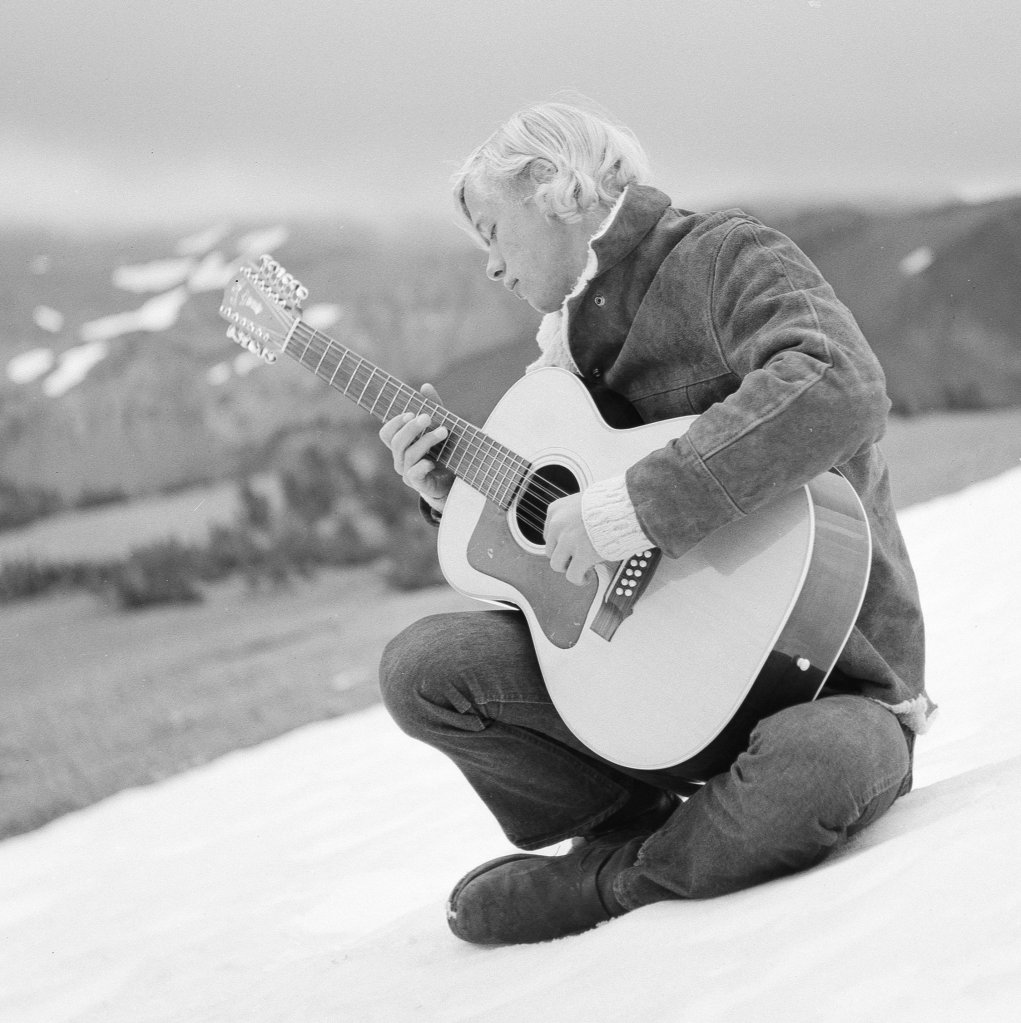
Will Ackerman may not be well known to younger listeners, but he certainly should.
The guitarist and record producer has profoundly impacted recorded music in the United States and beyond.
The founder of Windham Hill Records — an independent record label that served as a key residence for nontraditional instrumental music — Ackerman’s work as a musician and businessman has significantly increased awareness and appreciation of the form, paving the way for wider appreciation of meditative instrumental music within a modern context.
Ackerman and his label are often associated with the foundation of the New Age music genre. It is a designation the artist has repeatedly shared resistance to, describing the term as an attempt by others to commodify and market Windham Hill’s sound.
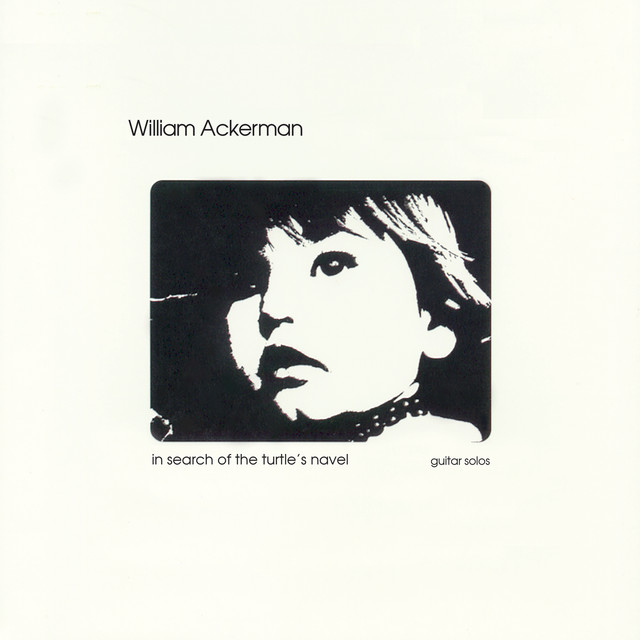
Setting a tone for Windham Hill, Ackerman’s 1976 debut albumIn Search of the Turtle’s Navel — the first release on the independent label — stands as a foundational piece of the musician’s legacy and the wider tradition of American primitive guitar.
Though the term ‘American primitive guitar’ is due for a revision due to its problematic nomenclature, In Search of the Turtle’s Navel does offer a clear example of the specific style of intricate fingerstyle playing popularized by earlier figures John Fahey, Robbie Basho and Leo Kottke in the decades preceding Ackerman’s release.
In Search of the Turtle’s Navel is unique in that — despite its recording blemishes — it brings a gentleness to the genre that is often dominated by the aggressive twang of steel-string instruments and open tunings.
The 10 songs comprising In Search of the Turtle’s Navel offer a richly textured listening experience that exhibits the artist’s quiet complexity and a wider thesis for Ackerman’s musical contributions to the tradition.
This is especially evident in the song “Ely,” in which melody gives way to sonic tapestry, encouraging reflection and calm.
While working as a carpenter, a young Ackerman entered the studio with $300 borrowed from friends, promising each a copy of the album in return.
Recorded at Mantra Studios in San Mateo, California, the album gives a lucid perspective on how Ackerman and his record label responded to the lingering spirit of the counterculture movement, with a focus on progress, positivity, and a deep appreciation of the natural world.
The project, which owes its name to a childhood bet, inspires a sense of wonder. This is most tangible in the song “Gazos,” with a bright melody and a running rhythm.
“Windham Mary,” placed earlier in the recording, evokes a sense of childlike wonder. It’s a soundtrack to a wholesome adventure.
“What the Buzzard Told Suzanne” accompanies this joy of young adventure tinged with a hint of pensive sadness, while “Slow Motion Roast Beef Seduction” provides insight into the artist’s comedic sensibilities.
“Second Great Tortion Bar Overland of West Townshend, Vermont, Jose Pepsi Attending,” the album’s longest title but its shortest song, is centered by a straight guitar roll that evokes American traditionalism.
“Dance for the Death of a Bird” closes the album with a resolute tone, laying the groundwork for the experimental direction that would come to define Ackerman’s career.
Although the album has taken on this weighted meaning in retrospect, the album is also the sound of a young person finding their way.
“There was no concept and there was no goal. In those days, I was doing it more for myself than anybody else,” Ackerman told journalist Paul Freeman in a 2015 interview. “As a matter of fact, I felt like I was hiding out from the rest of humanity when I was playing. But there’s an archway over by the old Stanford Union, and I used to go sit and play, just a lovely, reverberative space. And I did that often enough that people began coming around to see if I was there and to listen. It went from maybe six people to 20 to 40 to 100. And then I had people sort of hanging their heads around the corner, trying to get a listen.”
Nearly five decades following the release of the album, Ackerman’s contributions continue to be recognized. In 2004, he received the Grammy Award for Best New Age Album for Returning. He was again nominated in 2022 for Brothers and in 2023 for Positano Songs.
Much like the music he played and the recordings supported under his wing, Ackerman’s legacy is modest, thoughtful, and playful, embedded with a deep desire to celebrate the world and its offerings.
“I hear stories that are so powerful — the wife who would write me and say that her husband had passed away and that he had chosen to listen to my music, or another of the artists on Windham Hill, as he left this Earth,” Ackerman told Freeman. “I can’t tell you how many times I’ve heard that. Children are being brought into the world listening to Windham Hill. I would often write back and speculate that, perhaps, the children had been conceived listening to Windham Hill. But that place that the label had in people’s hearts, in their lives, in some of the deepest, emotional parts of their lives — that’s a pretty great legacy, right there. And I think that’s probably the one that matters to me more than anything else.”
