
Culture, like most things, takes a long time to progress.
Think of the shape of a river or your local greeting customs. Whether physical and tangible or inherently embedded within our collective consciousness, these things make large alterations only over the course of very long periods of time. Going otherwise unnoticed and excluding a select few major events, these alterations usually only become clear to those who are looking for them. Even in those cases, only a small number have the lived experience to recognize that a drastic change has occurred.
What once was taboo and risqué is now the norm, and what once was considered commonplace is seen as archaic and contemptible.
Although the wide-reaching cultural norms that constitute our collective identity appear to be evolving at a faster pace than ever before, thanks to our ever-increasing interconnectedness, this process still requires time above all else.
Music, visual art and other forms of both cultural and personal expression can serve as barometers for these changes.
The 1970s rock band The Runaways comes to mind. This group of women musicians broke through the established norms of both the music industry and gender identity to foster change and embolden their audience to be that change.
Decades earlier, American jazz music blended rhythms rooted in Black and African-American communities with European musical traditions to establish a new and improvisational expression that would foster desegregation in the United States and become a predominant cultural export for the nation. Still, to this day, jazz music is associated with an elevated urban aesthetic and the apex of modern metropolitan sophistication.
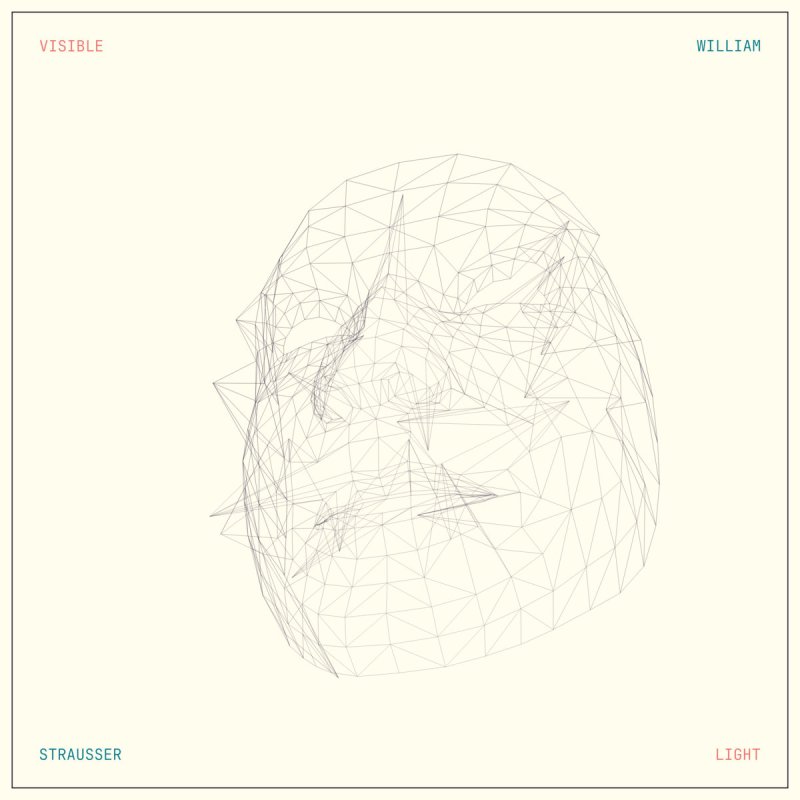
“Visible Light” from William Strausser, and released earlier this month, sounds like a sonic representation of that profound change. The Vancouver artist has composed a dance forward piece of electronic music that serves as an expressive representation of grand, infinite spaces, utilizing musical techniques that have been demonstrated before but are now utilized in a new, progressive manner.
Like an institutional shift in society, Strausser’s work makes the most sense when set in direct context with the dance music of past generations. The work is in active conversation with the traditions of the past and is introducing its own vision, values and intentions with this now long-running form that we have come to commonly denote as electronic dance music — EDM.
At nearly eight minutes in length, “Visible Light” begins with about two minutes of ambient textures before introducing the piece’s dance music core. This lengthy, light, and airy foothold that is maintained throughout the majority of the piece makes clear that the piece builds off of the artist’s works that preceded it, offering a unique hybrid of dance-focused electronic rhythms with the sonic landscape of New Age music.
This combination of elements, executed in his particular manner, offers a recipe that sounds like the future.
Strausser’s composition offers a gentle melody that carries the listener toward what the coming years might sound like. In doing so, the undertaking offers a rather bright and optimistic vision for the future. In a world seemingly dominated by anxiety, fear and isolation, the piece shines all the brighter.
