
On Brutal Soil, We Grow carries with it an immense weight.
The 49-minute work of ambient electronic music by the German artist Markus Guentner conjures images of unfathomable hardship, with textures devoid of emotional respite and thick with anxiety, fear and hints of anger.
In its opening moments, the album presents a sonic landscape in which the concept of hope feels long-forgotten.
The listener is enthralled by a bath of sound that the light of optimism has long failed to breach.
However, as the recording progresses, glimpses of hope make gentle advancement, bringing peace to this sonic landscape shaped by Guentner and the listener, reciprocally.
Rather than a biographical document of struggle, a depiction of a specific moment in history, or a fictitious narrative, Guentner’s project is set within a communal, human context, serving as an archive of our shared existence.
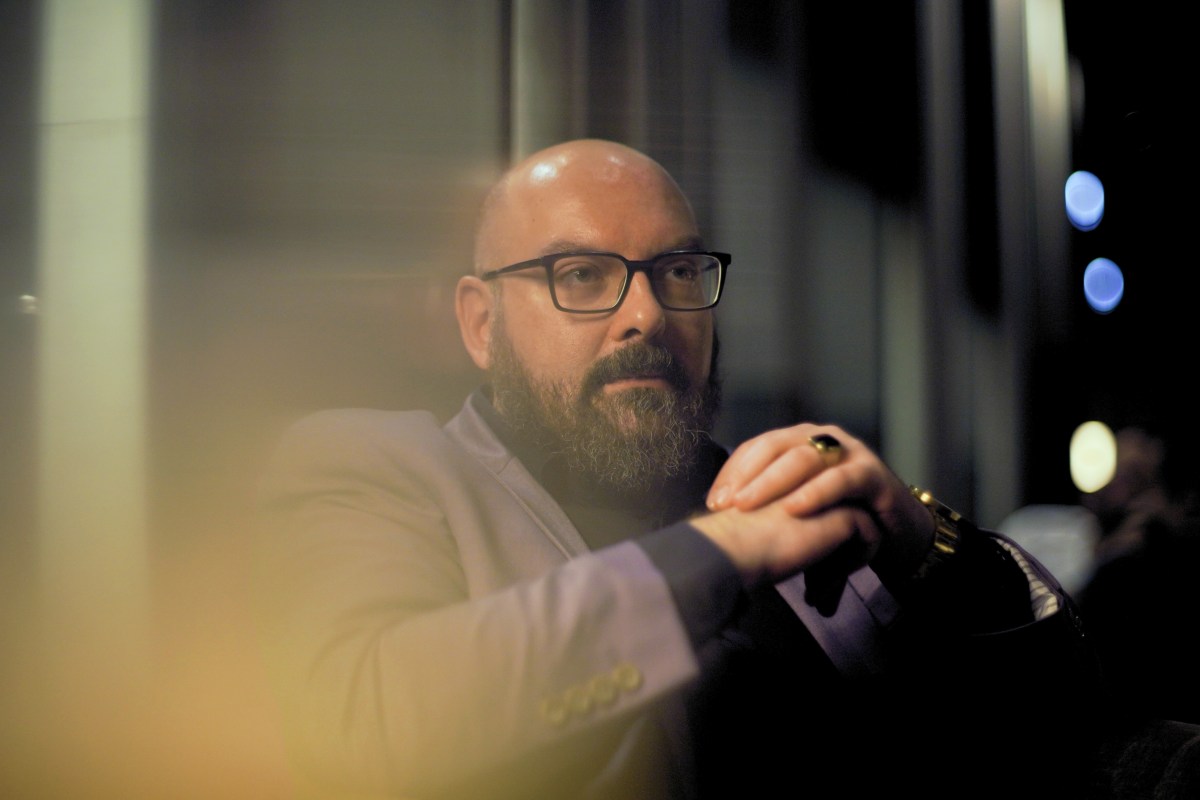
“It’s more about the all-over struggle we all have to deal with,” Guentner told Sound Dissection. “Life isn’t easy for the majority of people (some more, some less) but the message is: learn from setbacks, take the energy even from difficult times and events, don’t give up on anything if you really want it. That’s how people can grow.”
For Guentner, a native of the Bavarian city of Regensburg, who began his musical career as a young DJ before transitioning to electronic ambient and atmospheric composition, this worldview is, in part, a reflection of what it means to make contemporary art.
“It’s getting harder and harder to bring ideas to life,” Guentner said. “Everything gets more and more difficult and complicated, even if the progress should make everything easier. Sometimes it even seems like the only goal is to regulate, to patronize and standardize things in a way to kill individualism, creativity and personal contributions. And I think that is the main part of what I did on that album.”
The concept that the work is entirely a product of creative expression isolated from exterior motivations is critical to the artist.
“Something that came out of my mind without thinking about ‘will it be heard? Will it be sold?’ That’s always the biggest part when I do music,” Guentner added. “Just doing your own thing, create something that only you want and wanna do. Not just following some trends or something someone told you to do.”
The piece “Weltschmerz” (World-Pain) offers the most direct and apparent indication of Guentner’s musical manifestation of collective adversity. The composition, centered on a world-shaking rumble and a desperate chord progression, offers the artist’s interpretation of this shared psychological, emotional or spiritual hardship.
But as the work progresses, a glimmer of peacefulness begins to take shape; it is a musical sentiment that continues into the following composition, “The Silver Path.”
The record again shifts toward the dark, especially with the pieces “Sprawl” and “With No System of Law,” before edging toward brighter textures again.
This flow offers a direct representation of a life’s path, ever shifting from moments of peace to tension and back again, like a river moving from a mountain range to a valley below, and then onto a rolling landscape toward the ocean.
The album was released earlier this year by the independent music label Affin, with Guentner leading the visual aesthetics of the physical release. The album’s imagery is based on photographs made in nature that have been transformed into abstract compositions using digital processing.
Having spearheaded the design process for many of the label’s releases, Guentner’s visual vocabulary now stands as a pillar of Affin’s creative presence.
This aesthetic was formed in close collaboration with Joachim Spieth, the Affin founder, who also has several musical releases on the label, including collaborations with Guentner.
Both have longstanding ties to the influential Cologne-based label Kompakt and some of Guentner’s previous works were released by A Strangely Isolated Place, the ambient and electronica record label based in Los Angeles in addition to Mathias Schaffhäuser’s WARE Records.
As for what On Brutal Soil, We Grow offers to the listener and where they may find meaning, Guentner shares that interpretation exists entirely out of the hands of the work’s creator.
“That is something I absolutely leave up to the listeners,” Guentner said. “Some of them might hear a certain ‘darkness’ in it. Others find peace or happiness. Music can make you feel so many different emotions. It can bring you to different places. And that’s something everyone needs to experience for themselves.”
Listeners are encouraged to delve in, conduct an analysis and form their own conclusions.
